How a kitchen backsplash installation works, which materials to consider, and what to settle before a local tile pro starts.
A backsplash installation covers the strip of wall between the countertop and the upper cabinets, and sometimes the full wall behind a range or cooktop. This page explains how that work is generally done so you can compare quotes with confidence. We connect you with local tile pros in Corpus Christi and the Coastal Bend, and a local pro will confirm the details for your kitchen, including measurements, materials and scheduling.
Thinking about the bigger picture, such as cabinets, counters and coordinating several trades? See Kitchen Backsplash & Remodeling. For region-specific planning advice, read the Kitchen Backsplash Planning Guide for Coastal Bend Homeowners. For tile work in other rooms, see Tile Installation in Corpus Christi.
Request a Quote →
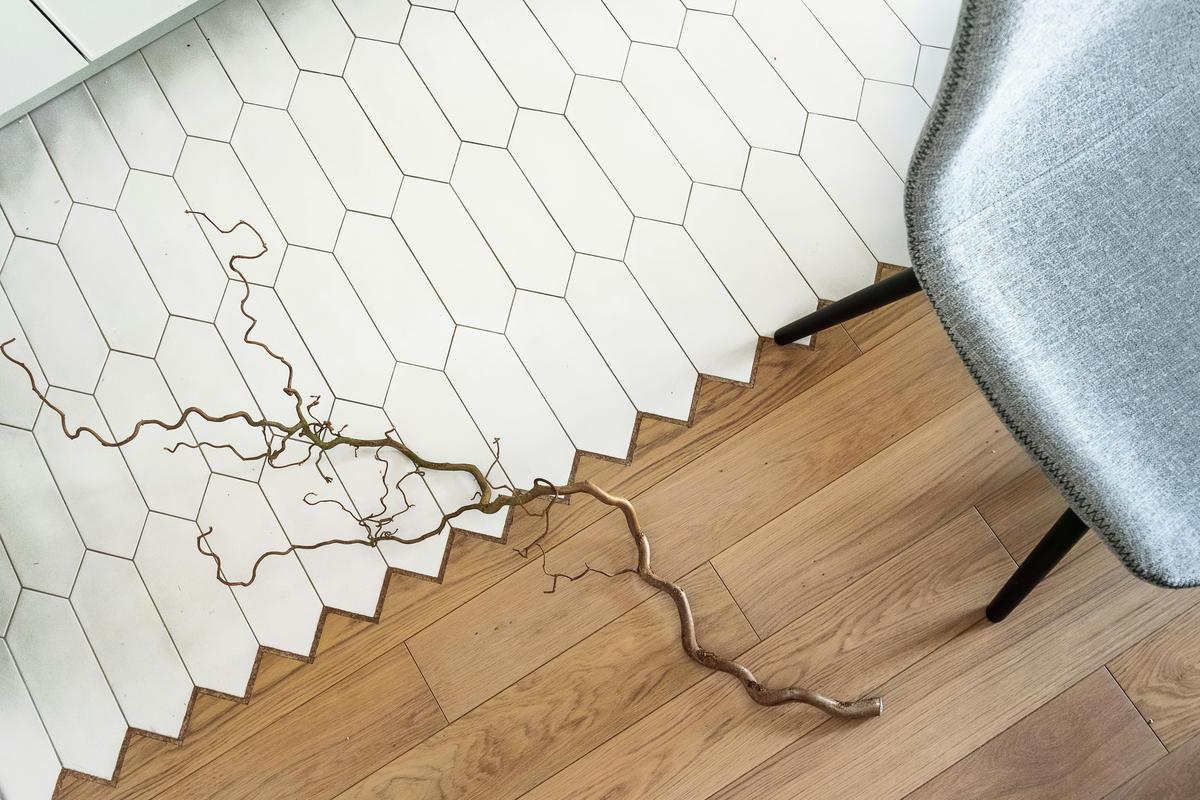
Each material sets differently and asks for different care. Knowing which one you prefer helps a local pro quote the right method.
Rectangular ceramic or porcelain tile, usually set in a straight, offset or herringbone pattern. It is widely available and works well for a first layout decision, though the many grout lines need occasional cleaning.
Small tiles, such as penny-round, hexagon or square, mounted on mesh sheets. Mosaics follow curves and add texture, but they have more grout joints, so cleaning and grout choice matter.
Bigger tiles mean fewer grout lines and a cleaner look. They need a flat wall, careful layout so cuts around outlets and cabinets look intentional, and a pro who can handle heavier pieces.
Reflective and easy to wipe down. Glass needs a suitable adhesive, even coverage and cuts made with a blade intended for glass, because mistakes can show through the tile.
Marble, travertine and slate give a distinctive look. Stone is porous and generally needs sealing, and some stones can etch when exposed to acidic liquids.
Methods vary by tile and by pro, but a typical installation follows these stages. Your local pro will confirm the exact process for your kitchen.
Decide how high the tile runs: to the bottom of the upper cabinets, to the ceiling behind a range hood, or as a feature panel behind the range. Patterns such as herringbone or stacked tile change how many cuts are needed and how much extra tile to order.
Count every outlet and switch in the area. Added tile thickness can leave boxes set too deep, so they may need adjusting, and power is turned off while cover plates are removed.
Grout color can blend the tile together or highlight each piece, and the joint width helps decide between sanded, unsanded and epoxy grout. Ask which choice suits your tile and how it should be cleaned.
If you choose stone, ask how and when it will be sealed and what cleaners are safe for it. Glazed ceramic and porcelain generally do not need the stone sealer, though the grout may.
Corpus Christi sits on the Gulf Coast, where humidity is often high and salt air is common. In general terms, that makes grout, sealers and cleaning habits worth a closer look in a kitchen.
It depends on the size of the area, the tile size and pattern, and the cure time the adhesive and grout manufacturers specify. Mosaic sheets and patterns such as herringbone take longer to lay than straight-set subway tile. A local pro will confirm the schedule for your kitchen after reviewing the measurements.
Generally yes. The backsplash is normally set after the countertop so it can sit against the finished surface, with a small gap left at the bottom for flexible caulk. If a new countertop is planned, ask the local pro how the two jobs will be sequenced.
Sanded grout contains fine sand and is usually used for wider joints, while unsanded grout is usually used for very narrow joints and for surfaces that scratch easily. Epoxy grout is a separate type that resists staining. Your pro can recommend the right type for the tile and joint width you choose.
Natural stone such as marble, travertine and slate is porous, so it is usually sealed before and after grouting, and the sealer is reapplied from time to time according to the product instructions. Some stones can etch from acidic cleaners or foods, so ask what cleaning products suit your stone.
Tile adds thickness to the wall, so outlet and switch boxes may need to be adjusted so the cover plates sit flush. Power to those circuits is turned off before covers are removed. Count your outlets and tell the pro about them when you request a quote.
Glass tile calls for extra care. It is typically set with an adhesive suited to glass, the wall needs to be very flat, and cuts need a blade made for glass. Because adhesive can show through clear glass, the application has to be even. A local pro can tell you whether glass suits your wall and layout.
Tell us about your project and a local tile pro will follow up.
Tile installation for floors, walls, showers, and outdoor spaces throughout the Coastal Bend.
Learn moreFull bathroom transformations — from layout changes and fixture upgrades to tile, vanities, and finishes.
Learn moreDurable, attractive hardwood and luxury vinyl plank flooring installed throughout your Coastal Bend home.
Learn moreFix cracked tiles, failing grout, and water-damaged surfaces before small problems become costly ones.
Learn more